
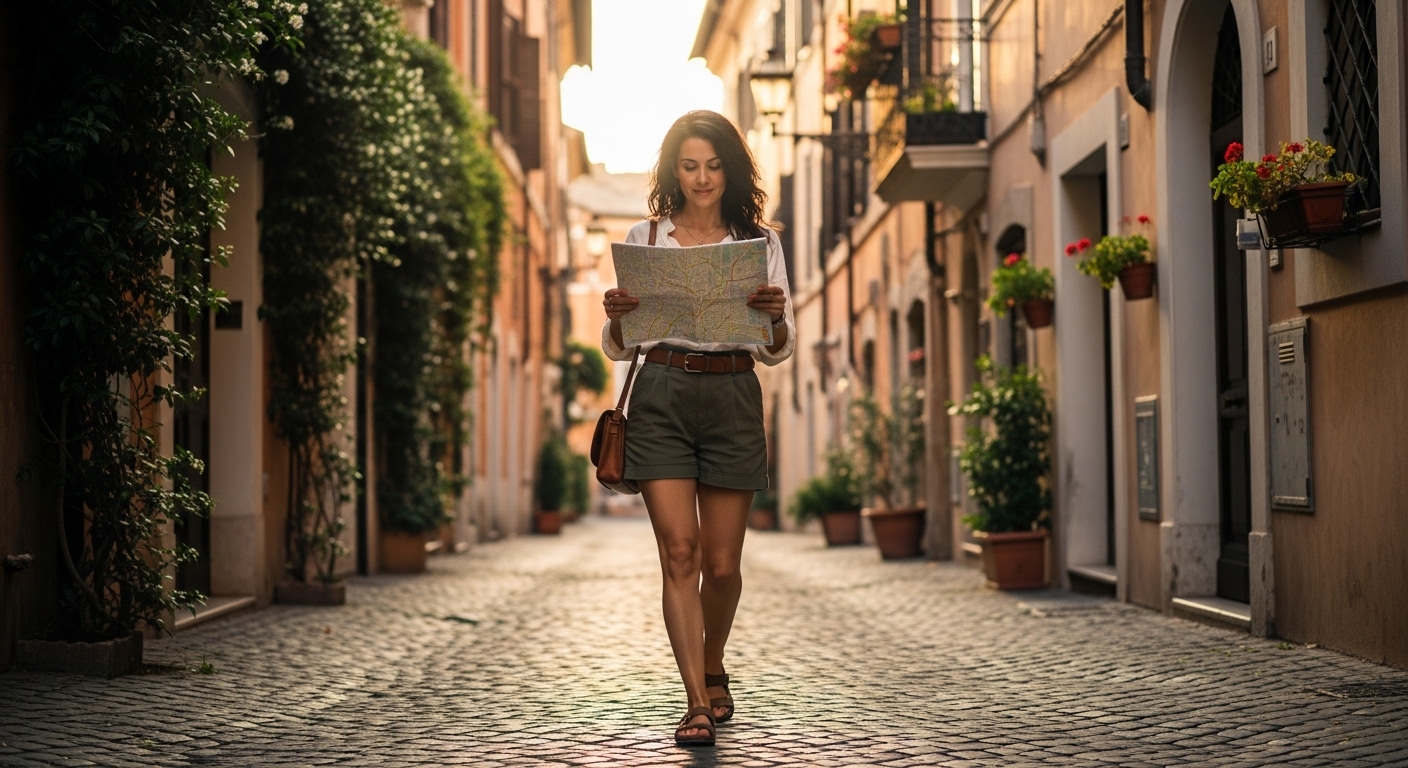

Key Takeaways
- Solo travel to Italy is generally safe with proper preparation and situational awareness
- Theft and scams pose the biggest risks for solo travelers, particularly in tourist-heavy cities like Rome and Venice
- Researching your destination, staying connected, and trusting your instincts are your three most powerful safety tools
- The benefits of solo travel—personal growth, flexibility, and deep cultural immersion—far outweigh the manageable risks
- Women traveling alone should take additional precautions but shouldn’t let fear prevent them from experiencing Italy’s magic
How to cite this article: McAlister, D. 2025. Lady In Italy. Is It Dangerous to Travel Alone? A Woman’s Guide to Solo Travel Safety in Italy. www.ladyinitaly.com/article/is-it-dangerous-to-travel-alone
The honest answer is that solo travel carries risks—but so does crossing the street in your hometown. The difference lies in preparation, awareness, and knowing what you’re getting into.
Understanding the Real Risks of Solo Travel in Italy
Let’s cut through the noise. According to the Global Peace Index 2024, Italy ranks as the 33rd safest country in the world out of 163 nations—safer than the United States, France, and the United Kingdom. That’s reassuring, but it doesn’t mean you can wander around with your guard completely down.
The perception of danger varies wildly depending on where you’re headed, how prepared you are, and frankly, how much common sense you exercise. A woman exploring the quiet villages of Tuscany faces different considerations than someone navigating Naples’ chaotic streets at midnight.
What Actually Poses a Threat?
Theft and scams top the list. Solo travelers—especially those who look like tourists—become prime targets in crowded areas. Rome’s Termini station, Venice’s vaporetto stops, and Florence’s Ponte Vecchio are notorious pickpocket hotspots. The U.S. Department of State specifically warns travelers about petty theft in Italian cities.
Getting lost sounds minor until you’re wandering unfamiliar streets after dark with a dead phone. Without a travel companion to help navigate, language barriers can turn a wrong turn into genuine distress.
Health emergencies hit differently when you’re alone. Falling ill in a foreign country where you don’t speak the language fluently? That’s genuinely scary. And social isolation—while not physically dangerous—can make you vulnerable to poor decision-making born from loneliness.
But here’s the thing: none of these should stop you from going. They should inform how you go.

Is Solo Travel Safe? (The Nuanced Answer)
Yes. But that “yes” comes with asterisks.
Solo travel is as safe as you make it. A 2023 survey by Solo Traveler World found that 84% of solo travelers reported feeling safe during their trips, and 76% said they’d travel solo again. Those are encouraging numbers.
The key difference between a safe trip and a disaster often comes down to preparation. Let me break this down into actionable steps.
Research Like Your Trip Depends On It (Because It Does)
Before you book that flight to Rome, dig deep. What neighborhoods should you avoid after dark? What’s the current scam du jour? Are there any strikes or protests planned? The U.S. Department of State’s travel advisories provide baseline information, but don’t stop there.
Join Facebook groups for women traveling to Italy. Read recent TripAdvisor reviews. Check local news. The more specific your knowledge, the safer you’ll be.
Plan Your Itinerary—Then Share It
Have a clear roadmap of where you’ll be and when. This isn’t about being rigid; it’s about ensuring someone knows your plans. Send your itinerary to a trusted friend or family member. Set up regular check-in times.
If you’re planning serious walking adventures through the Italian countryside, this becomes even more critical. A sprained ankle on a remote trail is manageable when someone knows your route; it’s potentially catastrophic when no one knows where to look.

Safety Tips for Traveling Alone That Actually Work
Accommodations: Choose Wisely
Not all hotels are created equal for solo travelers. Look for properties with 24-hour reception—essential if you’re arriving late or need help at odd hours. Check reviews specifically mentioning solo travelers or women traveling alone. Hostels like those in Florence’s historic center often provide social atmospheres where you can meet fellow travelers without the pressure of being completely alone.
Pro tip: apartments and Airbnbs offer privacy but lack the security features of hotels. If you choose this route, verify the neighborhood thoroughly and ensure there’s a reliable way to contact the host at any hour.
Your Valuables Are Someone Else's Opportunity
Use a money belt or hidden pouch for important documents and cash. Yes, they’re awkward. Yes, they work. Keep your daily spending money in a separate, easily accessible pocket so you’re not fumbling with your hidden stash in public.
| Security Item | Best For | Considerations |
|---|---|---|
|
Money belt |
Passport, backup cards, emergency cash |
Uncomfortable for daily access; wear under clothing |
|
Crossbody bag with RFID blocking |
Daily essentials, phone, wallet |
Keep in front of body in crowds |
|
Hotel safe |
Valuables you don’t need daily |
Photograph contents; use unique code |
|
Digital copies |
All documents |
Store in secure cloud and email to yourself |
|
Dummy wallet |
Decoy for aggressive thieves |
Keep small amount of cash and expired cards |
The Art of Blending In
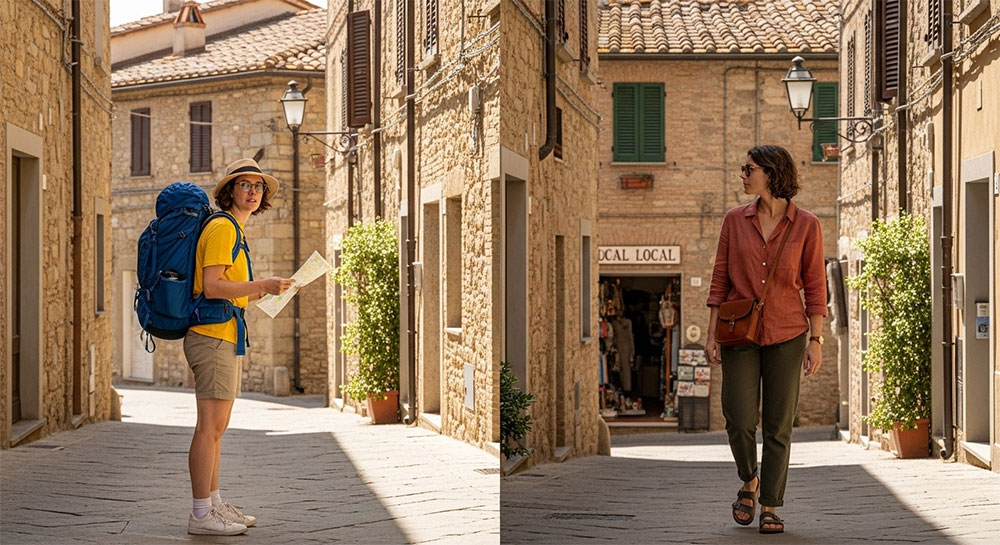
Italians have a distinctive style. You don’t need to overhaul your wardrobe, but observing the local style guide can help you avoid screaming “tourist.” Skip the white sneakers, fanny pack worn in front, and oversized backpack. Opt for darker colors, quality fabrics, and understated accessories.
This isn’t about vanity—it’s about reducing your visibility as a target.
Meeting People Without Compromising Safety
One of solo travel’s greatest gifts is the people you meet. But loneliness can make us careless. Here’s how to be social and smart.
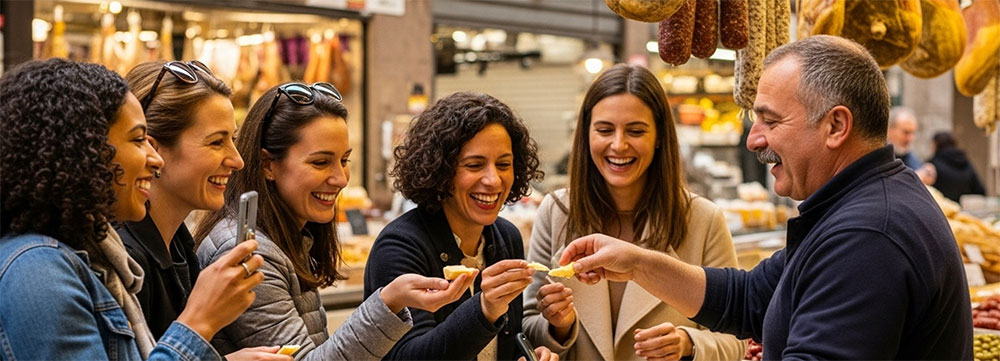
Group tours offer structured social interaction with built-in safety. A food tour through Italian culinary hotspots lets you taste the culture while surrounded by fellow travelers. Day trips to wine country or guided museum visits work similarly.
If you’re using apps to connect with locals or other travelers, stick to well-reviewed platforms and always—always—meet in public places first. Tell someone where you’ll be. Trust but verify.
Sometimes the best connections happen organically. That elderly woman selling vegetables at the market? The students sketching at the piazza? These encounters often feel safer precisely because they’re unforced.
When Things Go Wrong: Emergency Preparedness
Even perfect planning can’t prevent every problem. Here’s how to handle the unexpected.
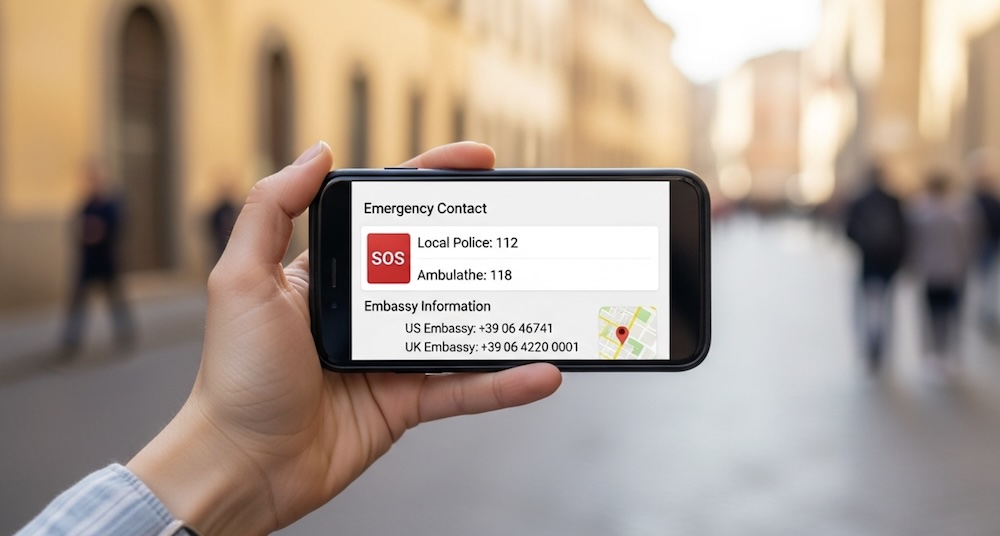
Know the numbers: 112 is the universal emergency number throughout the EU. Save your country’s embassy contact information—the U.S. Embassy in Rome is +39 06 46741. Keep these in your phone and written down somewhere.
Maintain backup copies of everything important. Photograph your passport, credit cards, and insurance documents. Email them to yourself. Store them in secure cloud storage. If your bag gets snatched on the metro, you’ll thank yourself later.
And please—invest in comprehensive travel insurance. Medical emergencies abroad can be financially devastating without coverage. A broken ankle in Venice could cost thousands out of pocket. Policies covering medical emergencies, theft, and cancellations typically run $50-150 for a two-week trip. That’s peace of mind worth buying.
Understanding Italian Safety by Region
Not all of Italy presents the same risk profile. Here’s a quick breakdown:
| Region/City | Safety Level | Primary Concerns | Solo Travel Friendliness |
|---|---|---|---|
|
Northern Italy (Milan, Lake Como, Dolomites) |
Very High |
Minor pickpocketing in Milan |
Excellent—efficient transport, English widely spoken |
|
Tuscany & Umbria |
Very High |
Minimal |
Excellent for experienced solo travelers |
|
Rome |
High |
Pickpocketing, scams near tourist sites |
Good—stay aware in crowded areas |
|
High |
Tourist scams, getting lost |
Good—compact and walkable |
|
|
Naples & Southern Italy |
Moderate-High |
Petty theft, bag snatching |
Good with extra vigilance |
|
Sicily |
Moderate-High |
Some isolated areas risky after dark |
Better with some travel experience |
The Benefits That Make It All Worth It
Despite everything I’ve said about risks, I remain a passionate advocate for solo travel. Why?
Because there’s nothing quite like making every decision based entirely on your own preferences. Want to spend four hours at a single museum? Do it. Crave a spontaneous detour to a village you’ve never heard of? Go. Feel like eating gelato for dinner three nights in a row? Who’s stopping you?
Solo travel builds confidence like nothing else. Navigating a foreign train system alone, successfully ordering dinner in broken Italian, finding your way home through winding streets after dark—each small victory compounds.
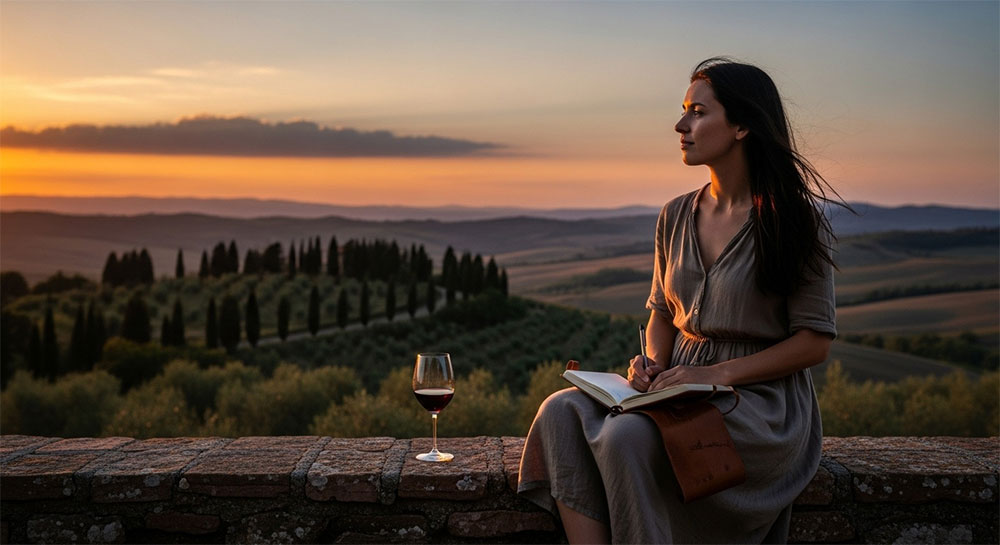
And the introspection that comes from being alone in beautiful places? That’s transformative. Some of my most profound personal insights have emerged while sitting alone in Italian piazzas, watching life unfold around me.
Don’t forget practical considerations like sun protection during those long days of solo exploration—nothing ruins a trip faster than a painful sunburn.
Final Thoughts: Your Adventure Awaits
Is it dangerous to travel alone? It can be—if you’re unprepared, unaware, or unlucky. But with careful planning, situational awareness, and a healthy dose of common sense, solo travel in Italy is not just safe; it’s one of the most rewarding experiences you’ll ever have.
The world—and Italy especially—is full of remarkable places and life-changing experiences waiting for you. Don’t let fear steal that from you.
Pack your bags. Trust your instincts. And enjoy every moment of the journey.
Frequently Asked Questions (FAQs)
What are the safest cities in Italy for solo female travelers?
Florence, Bologna, and the smaller towns of Tuscany consistently rank among the safest destinations for women traveling alone in Italy. These cities combine manageable sizes with well-lit streets, tourist-friendly infrastructure, and relatively low crime rates compared to larger urban centers.
How can I avoid pickpockets while traveling solo in Europe?
What should I do if I experience a medical emergency while traveling alone abroad?
Call 112 (EU emergency number) immediately, contact your travel insurance provider’s 24-hour assistance line, reach out to your country’s nearest embassy or consulate, and keep digital copies of your medical information and insurance details accessible on your phone.
Are hostels safe for solo female travelers over 30?
What's the best way to meet other travelers when exploring Italy by yourself?
Join organized day tours or cooking classes, stay in social accommodations like hostels with common areas, use apps designed for solo travelers (like Tourlina or Solo Traveler), attend free walking tours, and don’t be shy about striking up conversations at cafes and wine bars.
How do I handle language barriers when traveling alone in a non-English speaking country?
Download offline translation apps like Google Translate before departure, learn basic phrases in Italian, carry a pocket phrasebook, use pointing and gestures confidently, and seek help from younger Italians who typically speak better English. Most tourist areas have sufficient English speakers for basic navigation.
Planning your solo Italian adventure? Check out our travel goodies recommendations for gear that’ll keep you safe and stylish on the road.