
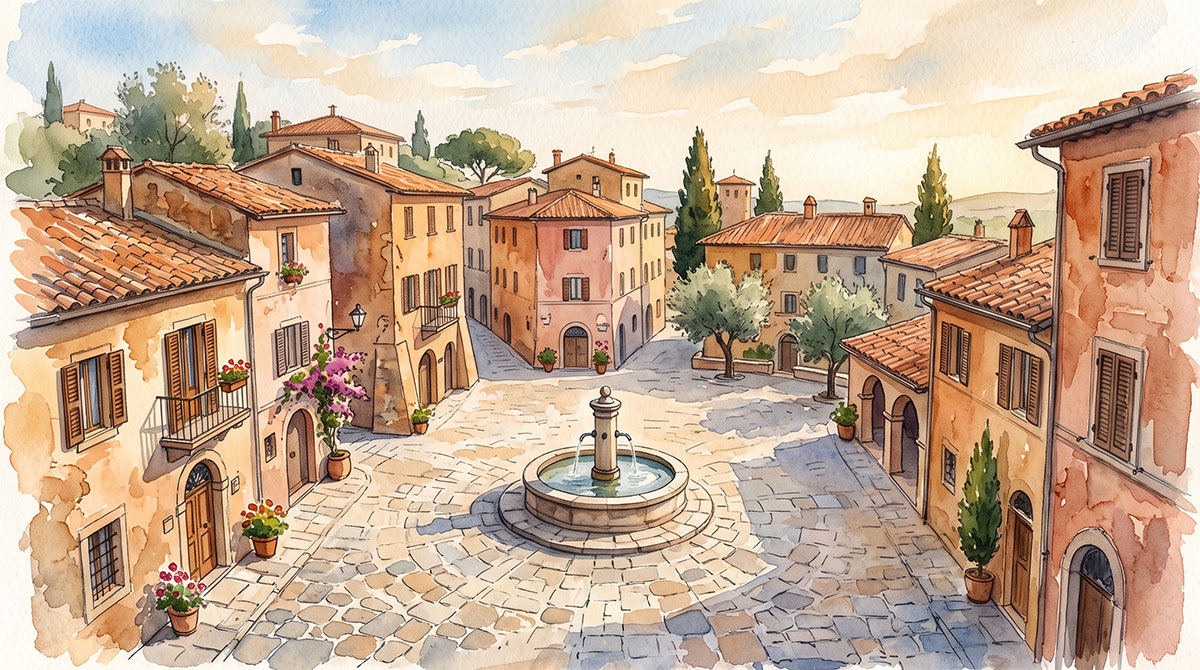

Key Takeaways
- Book headline attractions before you book flights: the Colosseum, Vatican, and Uffizi all sell out weeks in advance
- Italy’s rail network is excellent, affordable, and the right answer for almost every intercity journey
- Solo dining in Italy is genuinely comfortable. The aperitivo hour is the solo traveler’s best tool
How to cite this article: McAlister, D. 2025. Lady In Italy. 13 Italy Solo Travel Tips That Will Change How You Plan Your Trip. www.ladyinitaly.com/article/italy-solo-travel-tips
Italy is the easiest solo trip you will ever overthink. Not because it is simple — it is not — but because the things most people panic about (the language barrier, eating alone, navigating the trains) turn out to be non-issues. And the things they genuinely do not prepare for (booking the Colosseum six weeks in advance, knowing which cities reward slowing down and which reward moving fast) are the ones that actually matter.
This is not a list that could apply to any country in Europe. These are the specifics, the things that separate a trip that feels slightly chaotic and exhausting from one that feels exactly like what you imagined solo travel in Italy could be.
Book the Big Attractions Before You Book Flights
Not an exaggeration. The Colosseum with Roman Forum and Palatine Hill access, the Vatican Museums, the Uffizi Gallery in Florence, and the Last Supper in Milan all sell out weeks or months in advance during peak season. Some of them are booked solid for the entire spring before February ends.
The practical order is: decide your dates, immediately book any timed-entry tickets that require advance reservation, and then sort accommodation around those anchors. Most people do it backwards — they book flights, get excited about hotels, and then discover three days before departure that the one thing they most wanted to see requires a ticket they cannot get.
- Colosseum: Book directly at Colosseum Official Ticketing. Aim for 4 to 6 weeks ahead in shoulder season, longer in summer.
- Vatican Museums: Book at biglietteriamusei.vatican.va. First-entry morning slots disappear fastest.
- Uffizi Gallery: Book at uffizi.it. Less lead time needed than Rome, but do not wait until you arrive.
- The Last Supper (Milan): Book months ahead.
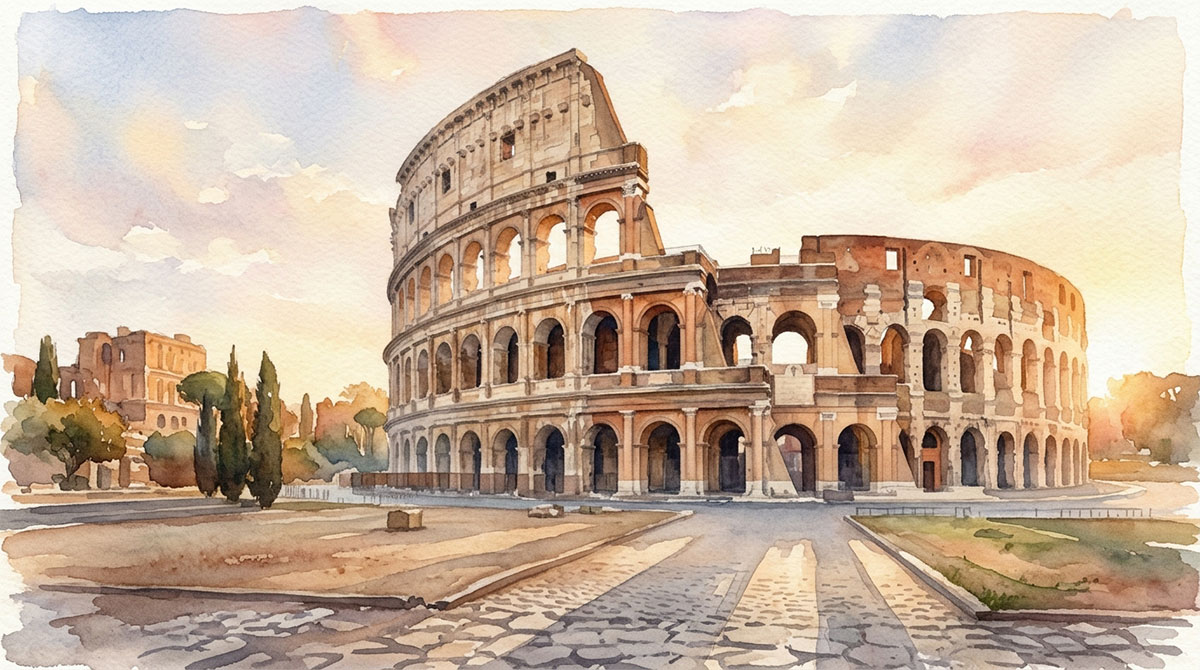
Train, Always Train: Italy Travel Tips and Advice for Getting Around
The train answer is correct about 90 percent of the time. Italy’s high-speed rail connects Rome, Florence, Bologna, Venice, and Milan in journeys that range from 90 minutes to three and a half hours. The services are comfortable, punctual on long-distance routes, and dramatically cheaper when booked in advance.
Two operators run the high-speed network: Trenitalia (the national carrier, with Frecciarossa trains) and Italo (the private competitor). Both are excellent. Book through trenitalia.com or the Trenitalia app, or through Italo’s site. Buying at the station works but costs more. A Rome to Florence ticket booked two weeks out typically costs 20 to 30 euros; the same ticket bought at the platform window is often double.
Italy travel tips and advice from experienced travelers converge on one thing about trains: do not book a rental car unless you specifically plan to drive into the countryside. Italian cities are not designed for cars, parking is expensive and stressful, and the train takes you directly between city centers. Save the car for a Tuscany road trip if that is on the list.
For getting around within cities, the Lady in Italy walking guide covers the practical realities of navigating Italian neighborhoods on foot, including what the cobblestones will do to unprepared footwear.
The Best Tips for a Trip to Italy Start With Choosing the Right Season
April to May and September to October. Write it down. These are the months when Italy is not fighting you — crowds are manageable, temperatures are comfortable for hours of walking, prices are lower across accommodation, and the cities feel like cities rather than theme park queues.
Summer in Italy is beautiful and brutal. July and August in Rome and Florence are genuinely hot (regularly above 35 degrees Celsius), crowds at major sites are at their absolute worst, and the coastal towns are so packed that the experience bears little resemblance to what travel content promises. If July is your only option, lean toward northern cities like Bologna or Milan, or go south and fully commit to a beach vacation rather than a sightseeing one.
Tips for a trip to Italy in shoulder season that most guides skip: some smaller museums and restaurants in regional towns reduce their hours or close on Mondays, so check ahead. But the tradeoff is golden. You will have iconic places nearly to yourself in ways that summer visitors simply do not.
The table below covers the practical planning basics for timing your trip:
Italy Solo Travel: Fast Planning Facts
| Factor | Detail |
|---|---|
|
Best months for solo travel |
April, May, September, October |
|
Hottest and most crowded |
June, July, August |
|
Average daily budget (mid-range solo) |
80 to 120 euros per day |
|
Advance booking window, peak season |
4 to 8 weeks for top attractions |
|
Train pass worth it? |
I love the train pass, but some travelers prefer point-to-point tickets |
|
English spoken in tourist areas |
Widely. The language barrier is minimal |
|
Solo dining comfort level |
Very high. Italians do it constantly |
|
Best city for a first solo trip |
Florence or Bologna |
You Don't Need to Speak Italian. Learn These Six Words Anyway
Italian is not required to travel Italy comfortably. In every major city, tourist area, hotel, restaurant, and transport hub, English gets you where you need to go. This is genuinely true, and anyone who tells you otherwise is either visiting very small towns or expecting conversations they have not earned.
That said, six words will transform how Italians respond to you: “Buongiorno” (good morning, used until about noon and considered basic courtesy), “Buonasera” (good evening), “Grazie” (thank you), “Prego” (you’re welcome, also said when handing something to someone), “Scusi” (excuse me), and “Posso avere il conto?” (may I have the bill?). That last one earns you real appreciation in restaurants, where the bill is never brought until you ask for it.
The pattern is simple: open every interaction in Italian, even badly, and switch to English when needed. What you get back is warmth, patience, and an entirely different kind of service than tourists who lead with English receive.
Eat Where the Italians Eat: The Italy Tourist Tip Worth More Than Any Guidebook
Here is how you identify a tourist-trap restaurant without reading a single review: laminated menu with photos, someone standing outside trying to usher you in, and no handwritten daily specials board. Have I eaten at these places? Plenty. Will I ever again? You betchya. They are convenient and cater to travelers. But if you are looking for a genuine experience, walk past these.
What to look for instead: a handwritten board on a chalkboard or sheet of paper near the door listing what is fresh that day, a room that is mostly full of people who are not holding phones above their food, and a menu that is shorter than a novella. In Italy, a shorter menu almost always means the kitchen is cooking what it knows well with what came in that morning.
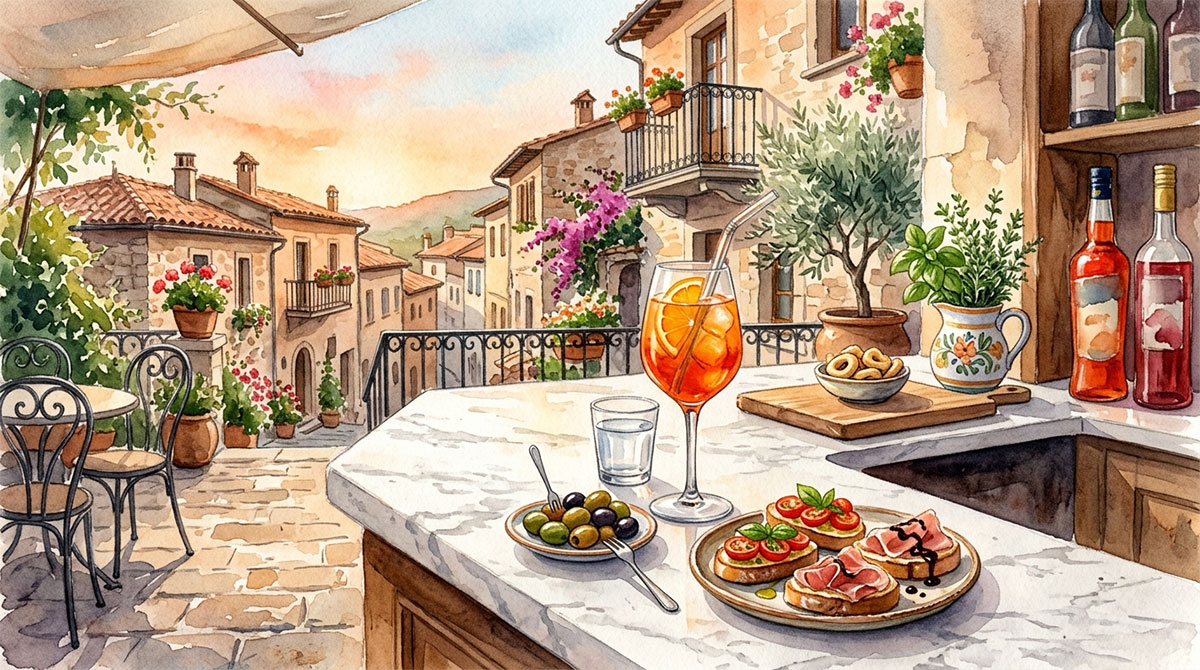
The italy tourist tip that pays the most over a full trip: build your evenings around aperitivo hour. Between 6 and 8pm, bars across northern Italy put out full spreads of food, we’re talking bruschetta, cured meats, cheeses, olives, frittata, all included with the price of one drink. Eight to twelve euros covers a full meal and a Spritz or a glass of local wine. It is the best deal in Italian travel, the most relaxed social hour of the day, and the easiest situation imaginable for a solo traveler.
Your Accommodation Choice Determines Your Social Life
This is the variable most solo travel guides either ignore entirely or reduce to a budget question. It is not about budget. It is about what kind of trip you want.
Hostels with common areas: The easiest way to meet other travelers, particularly in the 25 to 35 age range. Cities like Florence, Rome, and Venice have boutique hostels. If you want built-in conversation and people to grab dinner with, this is your answer.
Boutique hotels and B&Bs: More privacy, often more local character, and occasionally a host who becomes your best city resource. Less automatic social connection, but by no means isolating. Many solo travelers prefer this mid-trip when they need a reset from constant people.
Airbnb entire apartments: The most independent option. You set your own pace completely. Good for longer stays in one city, less ideal for short stops where connection is part of the point.
Booking accommodation without thinking about the social dynamics it creates is one of the most common ways first-time solo travelers end up feeling lonelier than they needed to.
Things to Know Before Going to Italy: Give Rome Three Days, Not Two
The most common itinerary mistake: two days in Rome. It leaves people feeling rushed, vaguely unsatisfied, and unable to say clearly what went wrong. What went wrong is that Rome is not a city you can skim.
Things to know before going to Italy’s capital: the Vatican alone (done properly, with the Sistine Chapel and St. Peter’s Basilica) takes the better part of a day. The ancient Rome circuit — Colosseum, Roman Forum, Palatine Hill — takes another full one. That leaves one day for the rest: the Pantheon, Piazza Navona, Campo de’ Fiori, Trastevere, a long lunch, and the kind of wandering that is actually what Rome is for.
Three days minimum. Four is better if you have flexibility. The Lady in Italy Rome guide breaks down the city neighborhood by neighborhood for anyone who wants to go deeper than the standard circuit.
Venice Is a Half-Day Unless You Go Past the Tourist Circuit
The opposite problem from Rome. Venice’s main sights — the Doge’s Palace, the Piazza San Marco, the Rialto Bridge — are genuinely worth seeing, and they can feel genuinely done in a few hours. What most visitors do not discover is that Venice past the tourist circuit is one of the most quietly beautiful places in Europe.
The Cannaregio neighborhood, Venice’s most residential, has laundry hanging between buildings, locals at lunch, and almost no tour groups. The island of Giudecca sits across the water from the main island with views of Venice that most people only ever see in photographs. The Dorsoduro neighborhood has better bars, better restaurants, and the kind of streets that make you want to sit somewhere and do nothing for an hour.
Two days in Venice with one day inside the tourist circuit and one day outside it is the right allocation. The Lady in Italy Venice guide covers the neighborhoods worth knowing before you arrive.
Don't Skip the Second-Tier Cities
Bologna, Lecce, Matera, Orvieto, Siena, Bergamo. Every one of these deserves a place on an Italian itinerary that aspires to be more than the standard Rome-Florence-Venice run.
Bologna in particular. It is the food capital of a country that takes food more seriously than anywhere else on earth. It has a walkable centro storico ringed by UNESCO-listed medieval porticoes. It has a university population that gives it energy and a social scene that functions beautifully for solo travelers. It has almost no international tour groups. And it is 37 minutes by high-speed train from Florence.
Adding one second-tier city to a first Italy trip is the single change most likely to make the trip memorable in a way the standard circuit does not quite manage.
Traveling to Italy for the First Time? The Dress Code Matters More Than You Think
This is where a lot of first-time visitors make a visible mistake. Italy is a country where how you dress is read as a signal of respect, taste, and self-awareness. It is not a country where tourists in cargo shorts and logo t-shirts are unusual — they are everywhere — but it is a country where dressing thoughtfully gets you treated differently.
Two non-negotiable situations for traveling to Italy for the first time: churches and religious sites require shoulders covered and knees covered, and they will turn you away or make you wear a disposable cover-up if you ignore it. The Vatican enforces this at the door. So does every significant church in the country.
Beyond that, the general principle is: smart casual at all times, comfortable shoes that are not athletic trainers, and no beachwear in city centers. The Lady in Italy Italian style guide covers what to actually pack for the country’s different contexts and seasons.
Sort Your Phone and SIM Before Landing
Getting this wrong creates friction on day one that colors everything that follows. Your options:
International plan through your home carrier: The most convenient option if your carrier offers a flat daily rate for international use. Check the actual rate before you go — some plans are genuinely reasonable, others charge in ways that add up fast.
Italian SIM on arrival: The cheapest option for longer trips. Major Italian carriers (Iliad, TIM, Vodafone Italy) sell SIMs at airports, train stations, and their own stores. An Iliad SIM with 50GB of data costs roughly 10 euros for 30 days. You need a passport to register it.
eSIM through a travel provider: If your phone supports eSIM, providers like Airalo sell Italy-specific data plans you can activate before landing. No physical card, no queuing at a phone shop.
Whatever you choose, download offline Google Maps for every city you plan to visit before you leave wifi range. It is not a nice-to-have. It is essential.
Carry Less Than You Think You Need
Italy has cobblestones. Rome has cobblestones. Florence has cobblestones. Venice has bridges with steps every thirty meters. Dragging a large suitcase through any of these cities is not romantic. It is exhausting, it is slow, and it will damage the suitcase.
A carry-on bag or a 40-liter backpack is the right allocation for a 10-day trip if you are strategic about it. Italy’s cities have laundromats (lavasecco or lavanderia), most accommodation has washing machines available for a small fee, and almost nothing you can buy at home cannot be bought in Italy if you forget it. The Lady in Italy travel goodies guide covers what is actually worth packing versus what you can leave out.
The mental shift: think about what you need for three days, then multiply by three rather than by ten. You wear far less variety than you plan to. The only time I take exception to this is when I stay for 30 days, then I opt for one huge suitcase and I always wish I could live with less.
The Italy Solo Travel Tips That Don't Make It Into Most Guides
A few things that come up consistently from women who have done this trip more than once:
The bill in Italian restaurants does not come until you ask for it. This is not slow service. It is intentional. Asking for it is not rude. “Il conto, per favore” or a simple miming of writing on your hand works everywhere.
Italians are genuinely curious about solo travelers. Conversations start. At bars, on trains, over shared tables. You are not invisible or pitied. If anything, people find it interesting, and those interactions are often the best parts of the trip.
The afternoon is for slowing down. Many Italian businesses close between 1 and 4pm. Build this into your schedule rather than fighting it. A long lunch, an espresso, a walk with no agenda…dare I suggest a nap… this is not wasted time. It is Italy.
Italy solo travel tips about logistics are useful. But the shift that makes the trip work is simpler than any of them: stop planning for the trip you think you should take and start planning for the one you actually want.
Frequently Asked Questions (FAQs)
What are the best italy solo travel tips for first-time visitors?
Book major attractions before you book flights, travel between cities by train, and visit in April, May, September, or October rather than peak summer. These three decisions alone will change the quality of the trip significantly. Everything else is refinement.
Is Italy good for solo female travel?
Yes! It is one of the best destinations in Europe for it. The country is safe, navigable in English, built around social situations that include solo people naturally, and rewarding for travelers who want to move at their own pace. Petty theft is the main practical concern, easily managed with a cross-body bag and basic awareness.
What is the best city in Italy to visit alone for the first time?
Florence and Bologna are the most recommended starting points. Florence has the most walkable historic center and the highest concentration of world-class art in a manageable area. Bologna has better food, less tourist pressure, and a social energy that makes arriving alone feel immediately comfortable.
How much money do I need for a solo trip to Italy?
A comfortable mid-range solo traveler typically spends 80 to 120 euros per day, covering accommodation in a good private room or modest hotel, meals (including one sit-down dinner), transport within the city, and one or two paid attractions. Eating at the bar for breakfast and using aperitivo hour for dinner brings that down considerably. If you stay in Rome, Venice, or a high tourist area, expect lodging to be $300 average a night.
What should I know before going to Italy as a solo traveler?
The practical essentials: book headline attractions in advance, carry a cross-body bag with a zipper, dress for church visits before you need to, confirm your phone plan before landing, and give Rome at least three days. The cultural essentials: solo dining is completely normal, the afternoon slowdown is real and worth embracing, and a few words of Italian will open more doors than you expect.
Is traveling to Italy for the first time overwhelming?
It can feel that way in the planning stage, but the country is genuinely set up for independent travel. English is widely spoken, the train network is intuitive, and Italian cities are walkable in ways that more sprawling destinations are not. The things that catch first-timers off guard are almost always logistical rather than cultural. Book in advance, pack light, and the rest takes care of itself.