

Key Takeaways
- Italy hosts over 57,000 animal species across diverse ecosystems from alpine mountains to Mediterranean coasts.
- The country’s successful conservation efforts have brought wolves back from near extinction to around 3,000 individuals, while the critically endangered Marsican brown bear population hovers around 50-60 individuals in central Italy.
- Italy legally protects its 2-3 million feral cats, particularly the famous colonies in Rome’s ancient ruins.
- Dangerous animals are rare—venomous snakes like the asp viper exist but fatalities are extremely uncommon.
Italy’s not just about pasta, ancient ruins, and stunning coastlines. The boot-shaped peninsula stretches from the snow-capped Alps to the sun-drenched Mediterranean, creating an incredible mosaic of habitats that support some of Europe’s most fascinating wildlife. From wolves howling in the Apennines to dolphins dancing in the Tyrrhenian Sea, Italy’s animal kingdom is way more diverse than most visitors realize.
Whether you’re planning a hiking adventure through Italy’s countryside or just curious about what creatures you might encounter during your travels, understanding Italy’s wildlife adds a whole new dimension to experiencing this beautiful country. And honestly? Some of these animals have better survival stories than most Netflix documentaries.
What Animals Are Found in Italy's Mountain Regions
The Italian Alps and Apennines aren’t just postcard material. They’re home to some seriously tough creatures that have adapted to life at elevation, where winters are brutal and summers are short.
Alpine Mammals: Ibex, Chamois, and Marmots
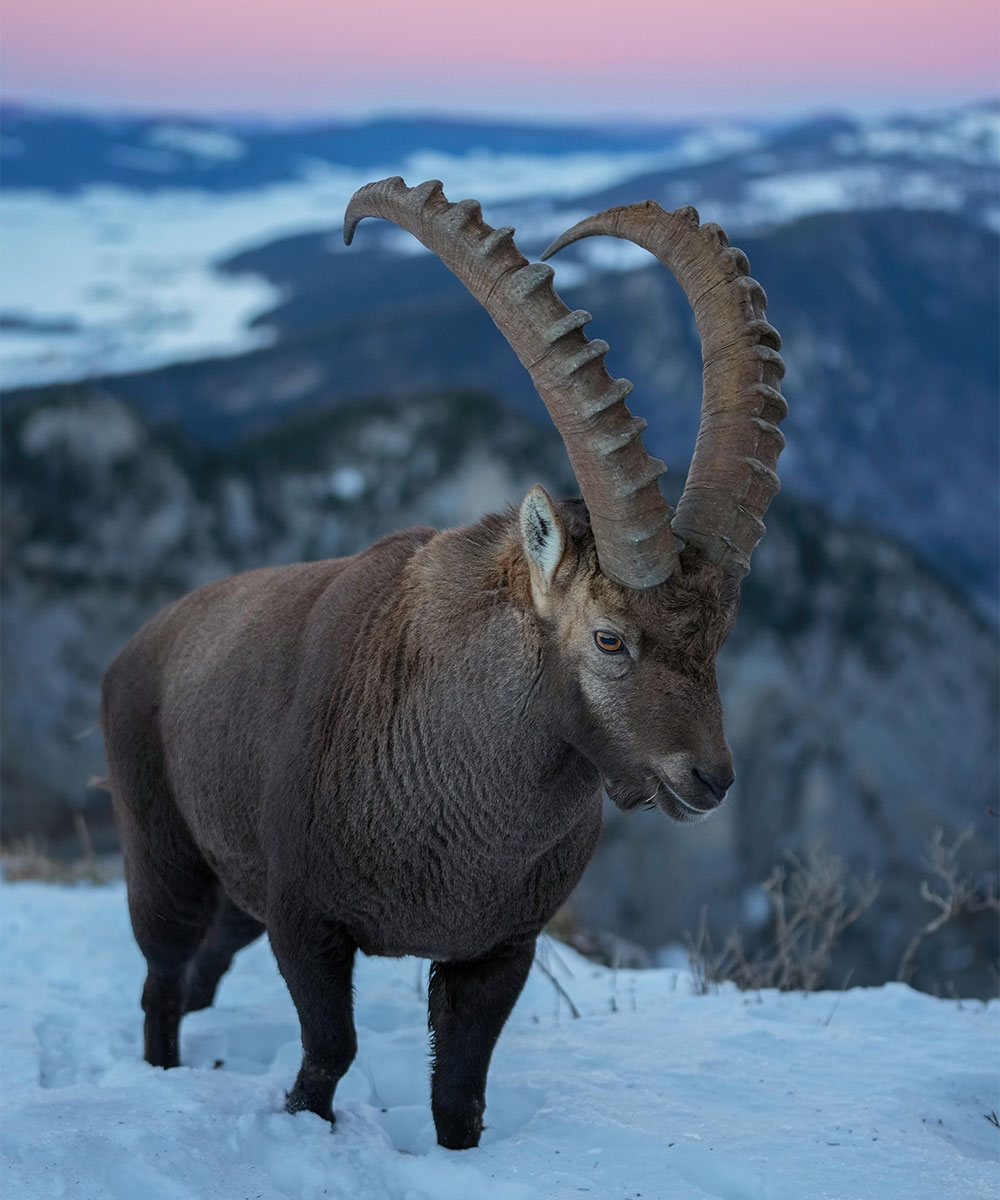
The Alpine ibex is probably Italy's most impressive mountain resident. These wild goats, with their ridiculously long curved horns (which can reach over 3 feet in males), were actually extinct in Italy by the early 1800s due to hunting. But here's the cool part: they were successfully reintroduced from Gran Paradiso National Park, and now over 15,000 ibex roam the Italian Alps, according to WWF Italy's conservation data.
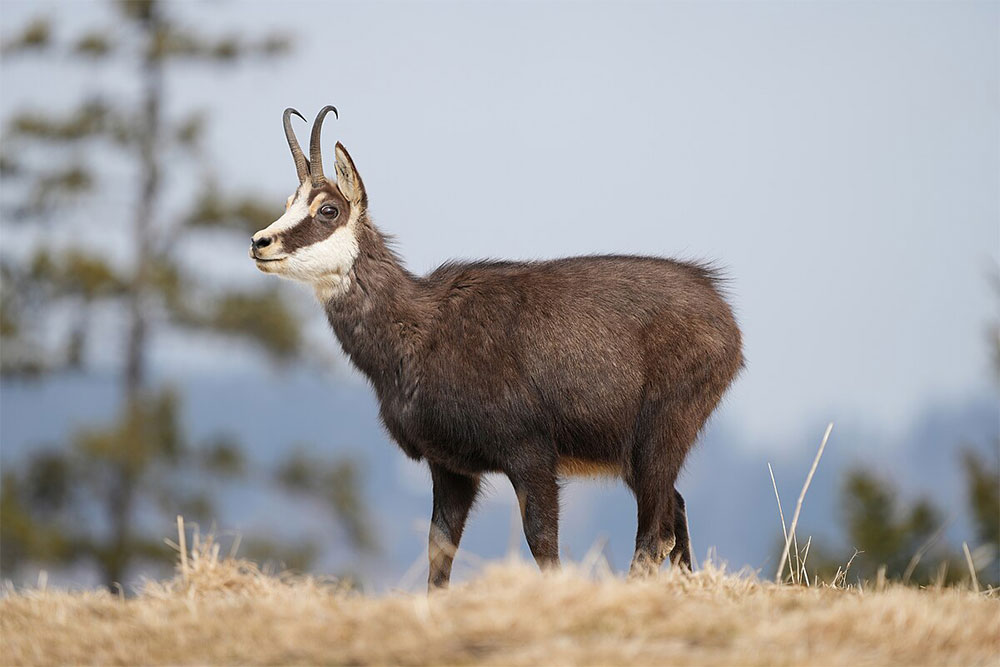
Chamois are the smaller, more agile cousins of ibex. They're incredibly nimble, capable of jumping nearly 7 feet high and running at speeds up to 30 mph on steep mountain terrain. The Apennine chamois is actually a distinct subspecies found only in central Italy.
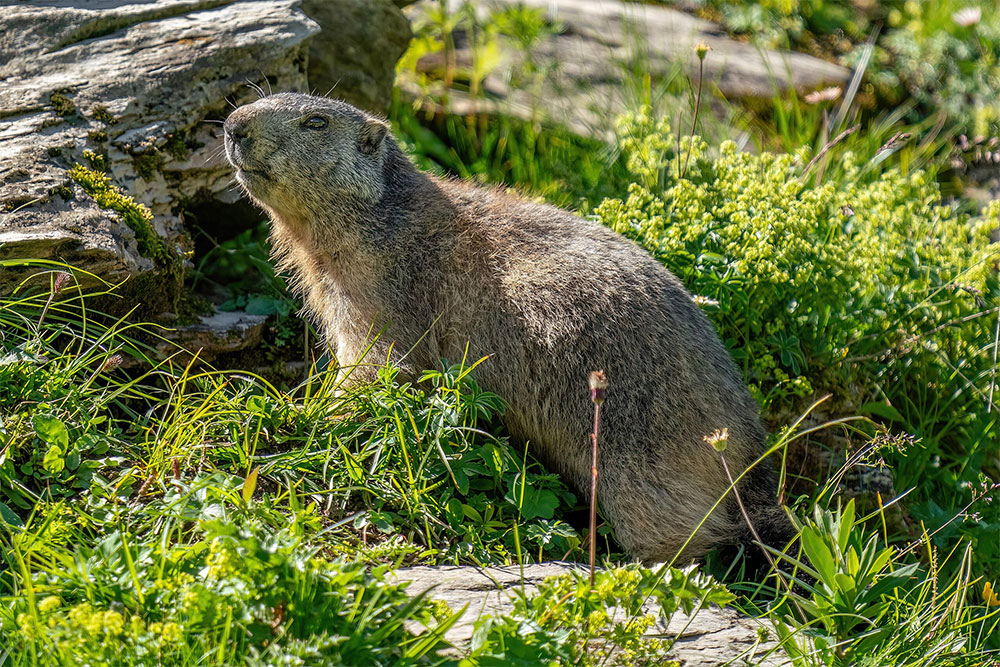
Then there are Alpine marmots—the teddy bears of the mountains. These chunky rodents live in family groups and are famous for their piercing whistles that warn the colony of danger. They hibernate for up to eight months of the year (goals, honestly), and when they emerge in spring, tourists absolutely lose it over how cute they are sunbathing on rocks.
Mountain Birds of Prey
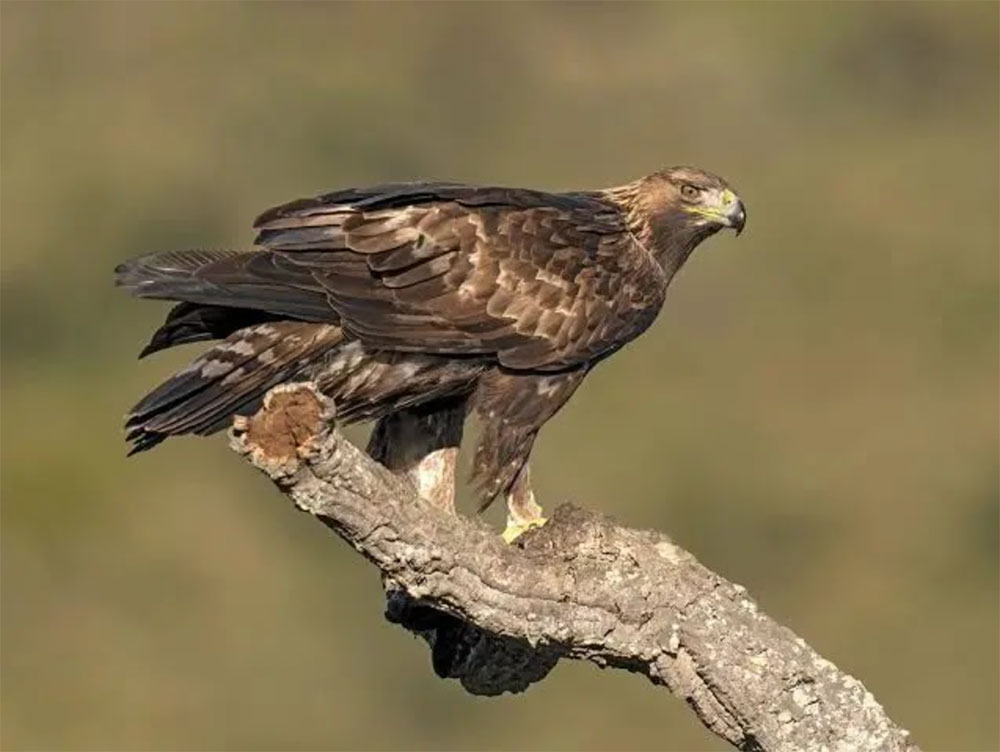 |
Italy's mountain skies are patrolled by some of Europe's most magnificent raptors. The golden eagle, with its 6.5-foot wingspan, nests in remote cliff areas throughout the Alps and Apennines. These apex predators can spot a rabbit from over a mile away and dive at speeds exceeding 150 mph |
| The bearded vulture (or lammergeier) is perhaps the most metal bird in Italy. It drops bones from great heights to crack them open, then eats the marrow. With its distinctive "beard" of black feathers and orange-tinted plumage, it looks like it should be on an album cover. Conservation efforts have successfully reintroduced them to the Alps after they were hunted to local extinction. | 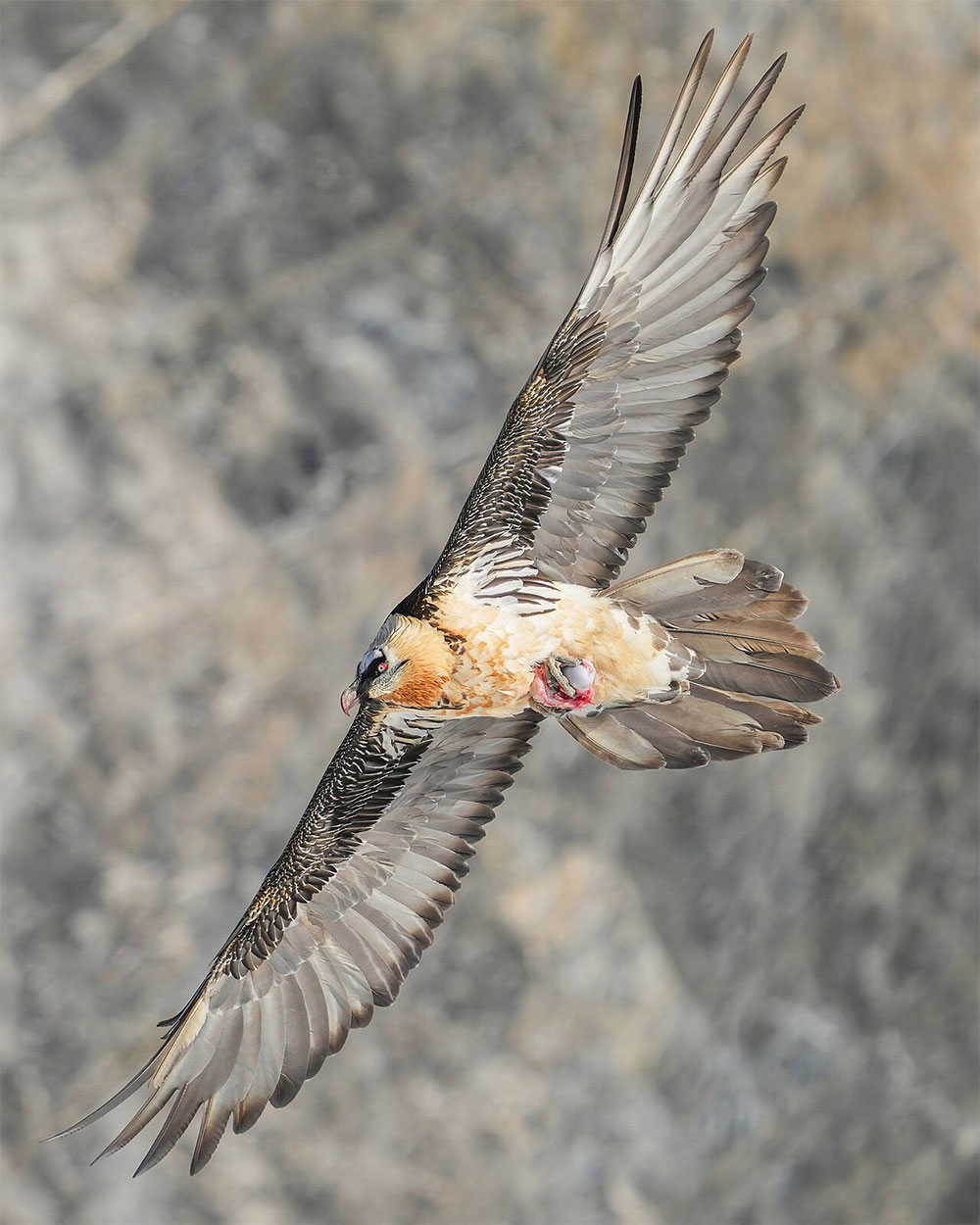 |
What Animal Lives in Italy's Highest Peaks?
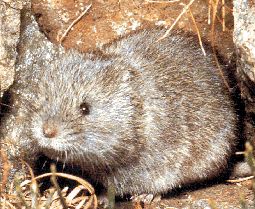 |
At the absolute highest elevations, you'll find specialized species like the snow vole and the rock ptarmigan, which changes its plumage from mottled brown in summer to pure white in winter for camouflage. |
| The Alpine salamander, completely black and giving birth to live young (unusual for amphibians), can survive at elevations over 9,000 feet. | 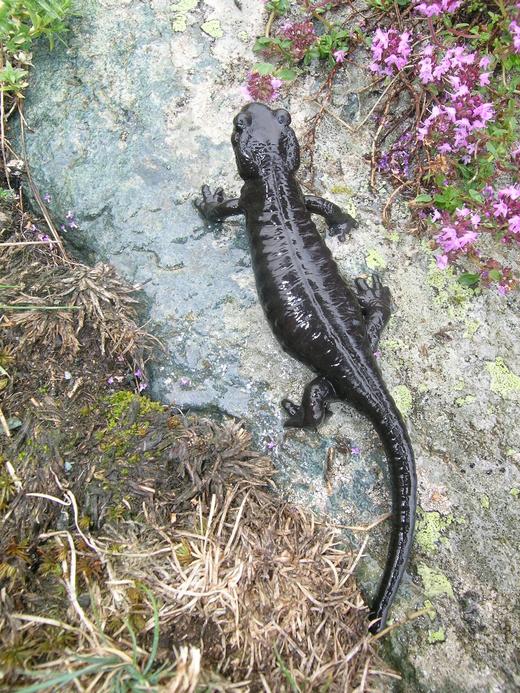 |
At the absolute highest elevations, you’ll find specialized species like the snow vole and the rock ptarmigan, which changes its plumage from mottled brown in summer to pure white in winter for camouflage. The Alpine salamander, completely black and giving birth to live young (unusual for amphibians), can survive at elevations over 9,000 feet.
What Are Native Animals in Italy: Endemic Species Guide
Italy’s geographic isolation—surrounded by sea and mountains—has created perfect conditions for species to evolve uniquely. Several animals exist nowhere else on Earth.
The Marsican Brown Bear
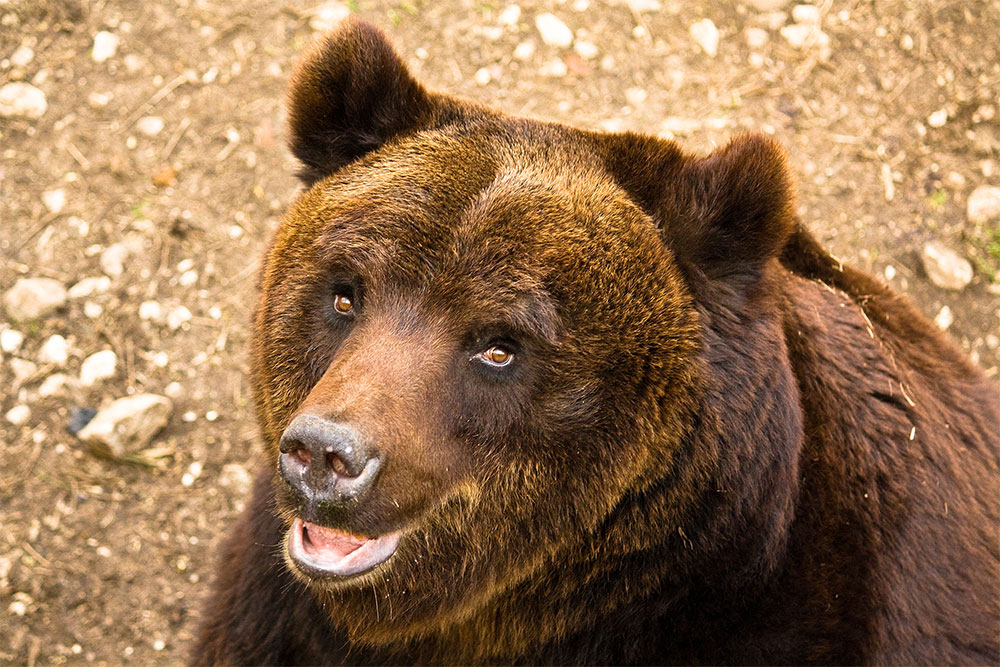
This is the rarest bear in Europe. Period.
The Marsican brown bear (Ursus arctos marsicanus) is a subspecies found only in central Italy’s Apennines, primarily within Abruzzo, Lazio and Molise National Park. According to ISPRA (Italian Institute for Environmental Protection and Research), the population sits at approximately 50-60 individuals—dangerously low numbers that make every single bear critical to the subspecies’ survival.
These bears are smaller than their Alpine cousins, with males weighing around 220-330 pounds. They’re omnivores with a diet consisting of about 75% plant material—berries, acorns, grasses—and only occasionally hunting small mammals or scavenging carcasses. Despite their reputation, Marsican bears are incredibly shy and avoid human contact. There hasn’t been a recorded fatal attack in modern history.
Conservation efforts include wildlife corridors, electric fences around beehives (bears love honey), and compensation programs for farmers who lose livestock. But here’s the tough reality: with such a small population, one bad year could be catastrophic.
Italian Wolf Population
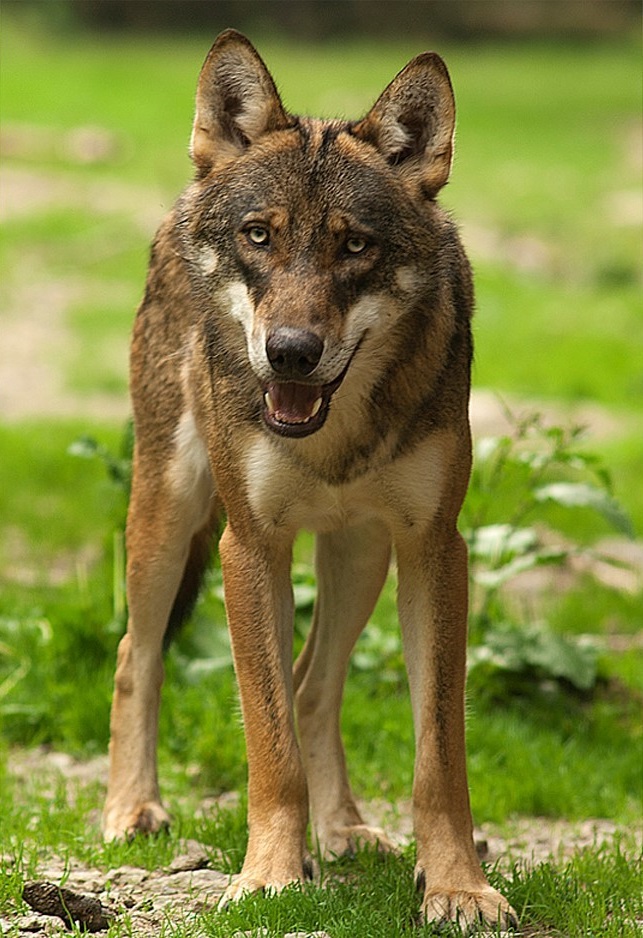
The Italian wolf (Canis lupus italicus) has one of the most dramatic comeback stories in European conservation. By the 1970s, only about 100 wolves survived in remote Apennine forests. Hunting had decimated the population, and extinction seemed inevitable.
Fast forward to today: approximately 3,000 wolves now roam throughout the Italian peninsula and have even recolonized the Alps. This recovery happened thanks to legal protection starting in 1971, natural prey recovery (deer and wild boar populations increased), and changing attitudes toward predators.
Italian wolves are slightly smaller than other European wolf subspecies, with a unique genetic makeup that includes some ancient dog DNA from thousands of years ago. They’re highly adaptable, living everywhere from dense forests to semi-agricultural landscapes. They typically hunt in packs of 4-7 individuals, taking down wild boar, deer, and occasionally livestock (which remains a source of conflict with farmers).
If you’re exploring Italy’s natural landscapes, you’re extremely unlikely to see a wolf—they’re nocturnal and avoid humans. But knowing they’re out there, silently patrolling the forests? That’s pretty special.
Sardinian Deer and Island Species
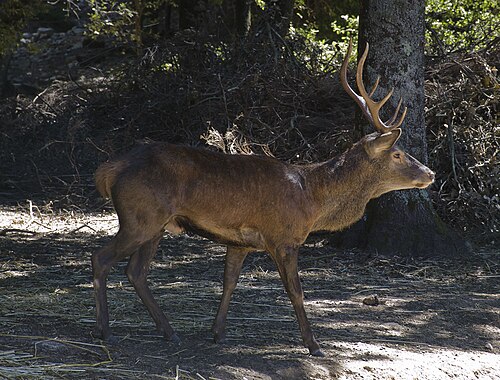
The Sardinian deer (Cervus elaphus corsicanus) is a subspecies of red deer found only on Sardinia and Corsica. Smaller than mainland red deer, these animals nearly went extinct due to overhunting but have recovered thanks to strict protections.
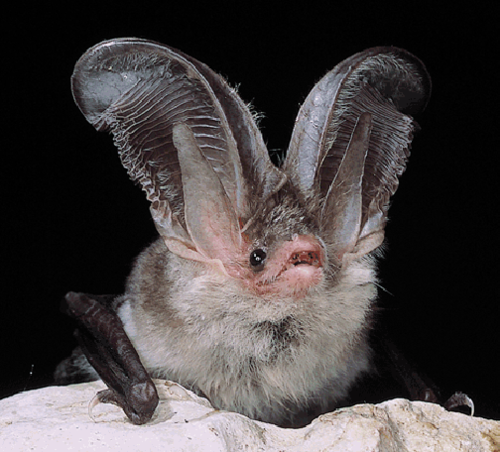
Sardinia’s isolation has created several unique species. The Sardinian long-eared bat, the Sardinian pika (now extinct), and various endemic insects and reptiles evolved in this island laboratory. The Sardinian wild cat population, though debated by scientists as to whether it’s a distinct subspecies, shows physical differences from mainland cats.
Are There Dangerous Animals in Italy? Safety and Wildlife
Let’s just get this out of the way: Italy is not Australia. You’re not going to encounter creatures actively trying to kill you. But there are a few animals that deserve respect and awareness, especially if you’re spending time outdoors.
Venomous Snakes to Be Aware Of
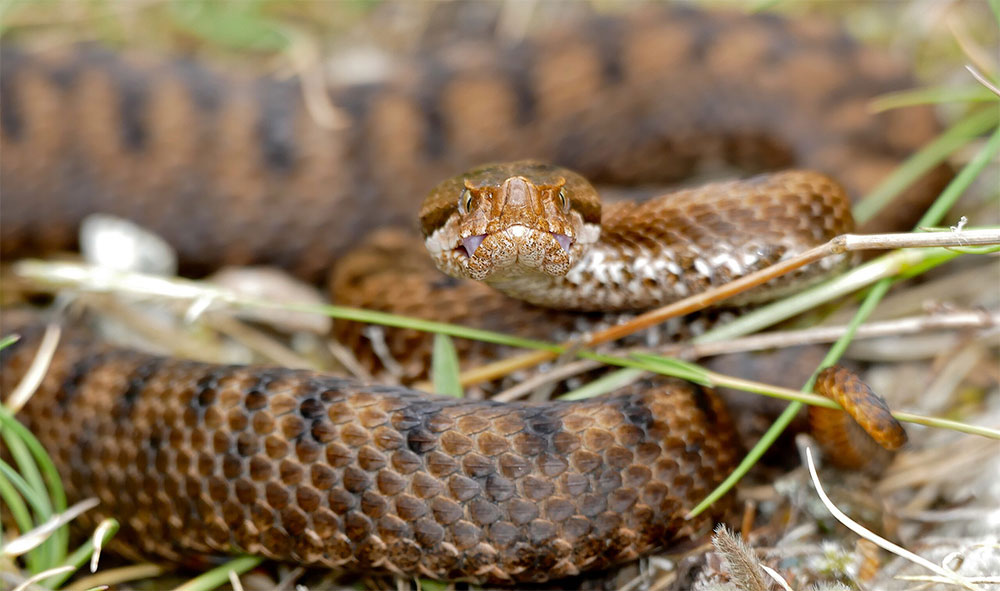
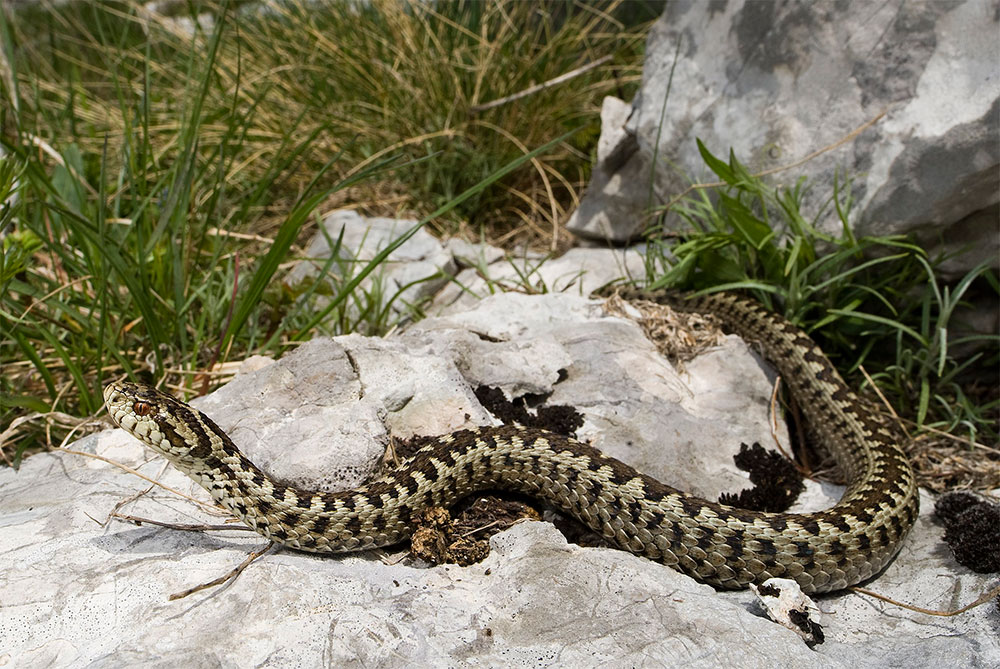
Italy has four venomous viper species, and honestly, they’re more scared of you than you are of them. The asp viper (Vipera aspis) is the most common, found throughout the country except Sardinia. They’re typically 20-30 inches long, with a distinctive triangular head and vertical pupils.
Here’s the thing about Italian vipers: bites are rare (fewer than 100 reported annually across the entire country), and fatalities are exceptionally uncommon—usually only occurring in cases of delayed treatment, allergic reactions, or bites to children or elderly individuals with compromised health. Modern antivenom is highly effective.
| Snake Species | Regions Found | Danger Level | Key Identification |
|---|---|---|---|
|
Asp Viper |
Throughout mainland Italy |
Low to Moderate |
Triangular head, zigzag pattern, 20-30″ |
| Snake Species | Regions Found | Danger Level | Key Identification |
|---|---|---|---|
|
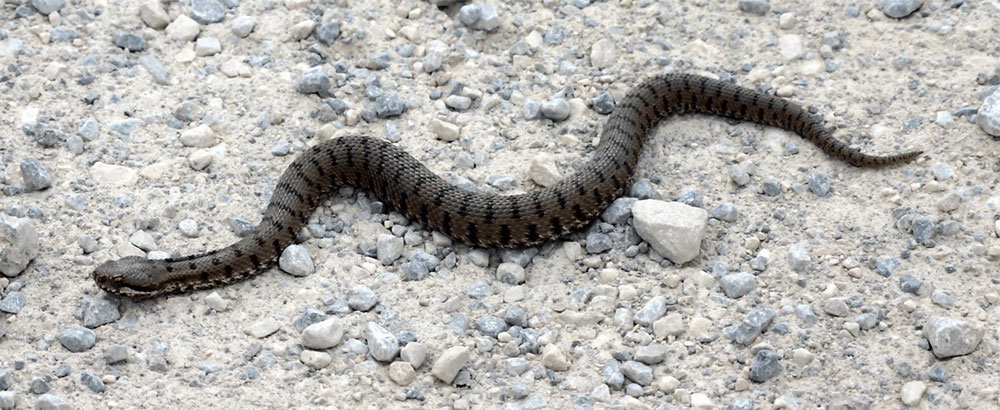
Common Adder |
Northern regions, Alps |
Low |
Dark zigzag stripe, smaller than asp |
| Snake Species | Regions Found | Danger Level | Key Identification |
|---|---|---|---|
|
Orsini’s Viper |
Central Apennines |
Very Low |
Smallest viper, gray coloring, rare |
| Snake Species | Regions Found | Danger Level | Key Identification |
|---|---|---|---|
|
Meadow Viper |
Alpine meadows |
Low |
High altitude only, brown/gray |
If you’re hiking, wear closed-toe shoes and long pants in grassy or rocky areas. Watch where you put your hands when scrambling over rocks. Snakes bask in sunny spots during cooler months but seek shade during hot summer days. Most bites happen when people accidentally step on or try to handle snakes.
Are There Any Dangerous Animals in Italy's Forests?
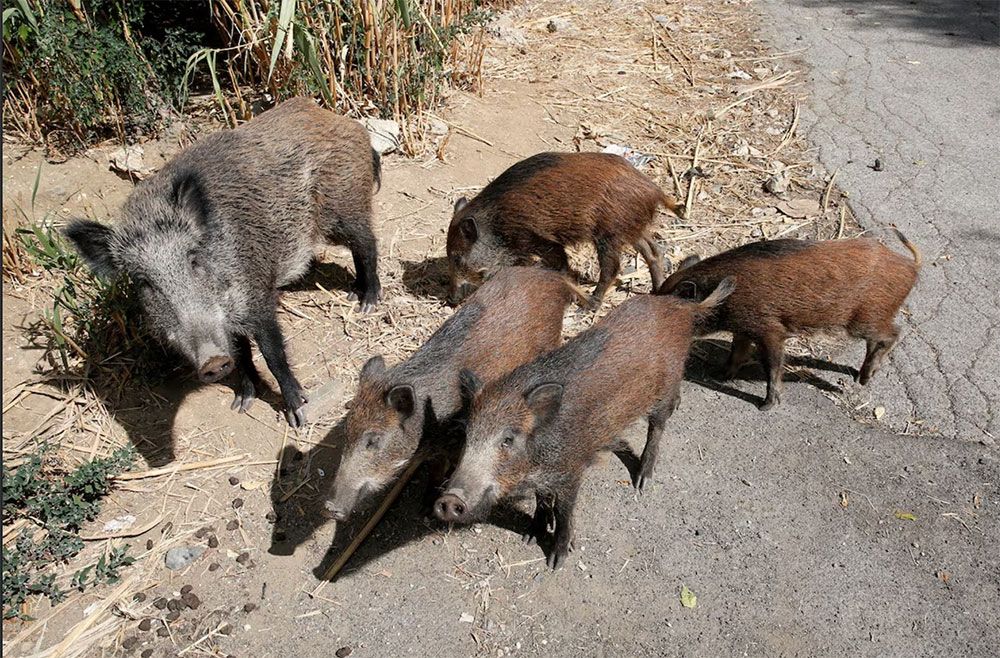
Wild boar are probably the animals most likely to cause problems. Italy’s wild boar population has exploded to an estimated 2 million individuals, and they’ve become increasingly bold, even entering urban areas in search of food.
Adult boars can weigh over 400 pounds, and while they generally flee from humans, they can be aggressive if cornered, protecting piglets, or surprised at close range. They have sharp tusks and can cause serious injuries. If you encounter a boar, don’t approach it, back away slowly, and give it space to escape. Don’t ever get between a sow and her piglets.
During my walks through Italian countryside, I’ve learned that making noise while hiking—talking, using trekking poles—prevents surprise encounters. Wild boars have poor eyesight but excellent hearing and smell.
Marine Creatures and Beach Safety
The Mediterranean might not have great white sharks circling like in “Jaws,” but it does have a few creatures that can spoil your beach day.
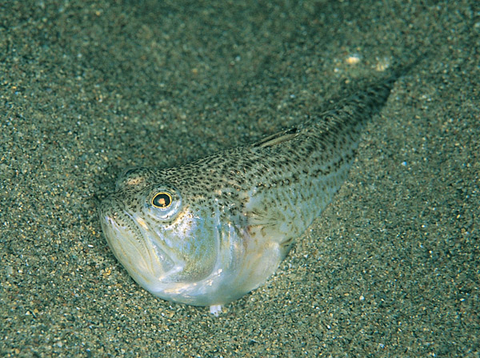
Weever fish bury themselves in sandy shallows with only their venomous dorsal spines exposed. Step on one, and you’re in for excruciating pain. The venom breaks down with heat, so immersing the affected area in hot water (as hot as you can tolerate without burning) for 30-90 minutes provides relief. Wearing water shoes in shallow, sandy areas prevents most incidents.
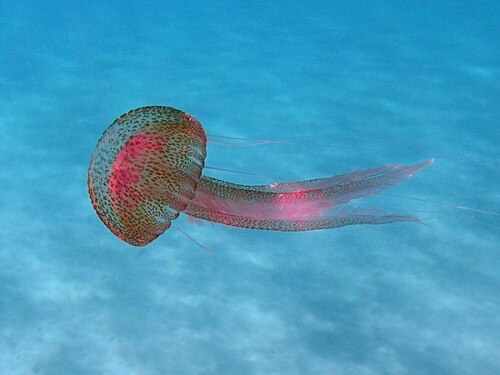
Jellyfish swarms, particularly the mauve stinger (Pelagia noctiluca), appear seasonally in Italian waters. Their stings are painful but rarely dangerous. Portuguese man o’ war occasionally drift into Italian waters from the Atlantic—these require immediate medical attention as their stings are much more severe.
Sea urchins cover rocky coastal areas. Their spines break off easily in skin and are incredibly difficult to remove. Again, water shoes are your friend. Check with local authorities or your hotel about current marine conditions before swimming.
What Animals Are in Italy's Coastal and Marine Habitats
Italy’s 4,700 miles of coastline and surrounding seas create diverse marine ecosystems supporting everything from tiny seahorses to massive whales.
Mediterranean Monk Seals
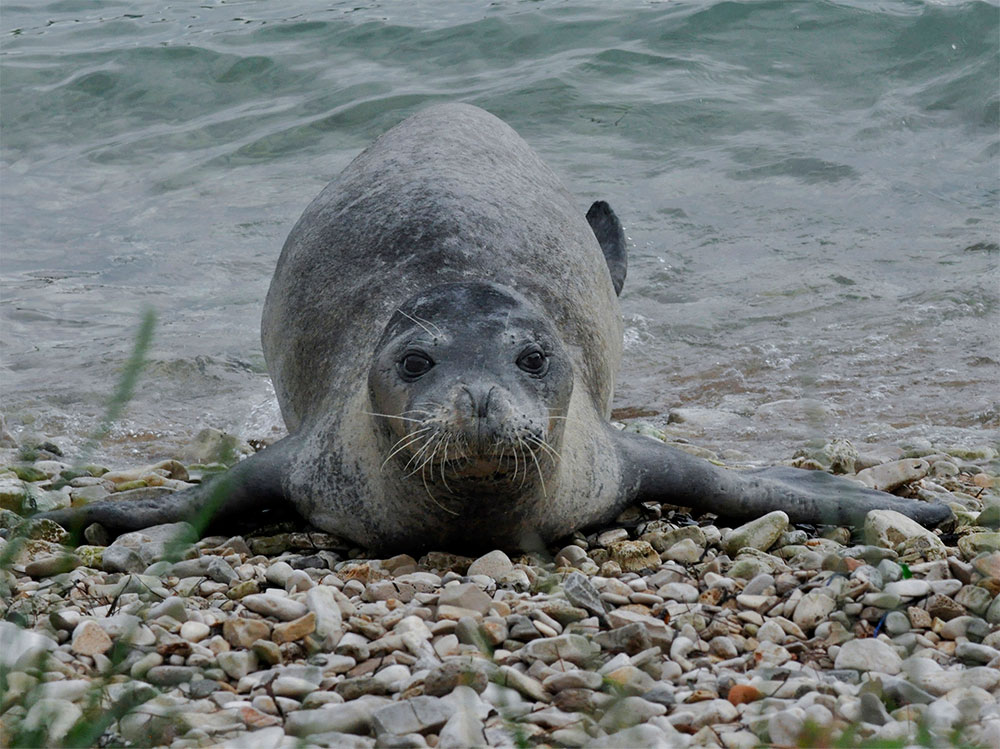
The Mediterranean monk seal (Monachus monachus) is one of the world’s rarest pinnipeds, with only about 700 individuals remaining. While they once bred along Italian coasts, breeding populations are now extinct in Italy, with most surviving seals concentrated in Greece and Turkey.
However, individual seals occasionally appear along Italian coasts, particularly in the southern regions and islands. Conservation organizations monitor sightings and work to protect potential habitats should populations recover enough to recolonize.
Dolphin and Whale Species
The Pelagos Sanctuary, a marine protected area in the Ligurian Sea between Italy, France, and Monaco, protects critical habitat for eight cetacean species. Bottlenose dolphins are commonly seen year-round, often approaching boats out of curiosity. They’re incredibly intelligent, with complex social structures and communication systems.
Striped dolphins travel in large pods, sometimes numbering hundreds of individuals. They’re acrobatic, frequently breaching and spinning in the air. Common dolphins, despite their name, are actually less common than bottlenose in Italian waters.
Fin whales—the second-largest animal on Earth—feed in the Ligurian Sea during summer months. These 80-foot giants consume up to 4,000 pounds of krill daily. Sperm whales dive to incredible depths (over 3,000 feet) hunting giant squid in waters off Sicily and Calabria.
Boat tour operators from ports like Genoa and along the Ligurian coast offer whale watching excursions with marine biologists, particularly from May through October.
Sea Turtles Nesting Sites
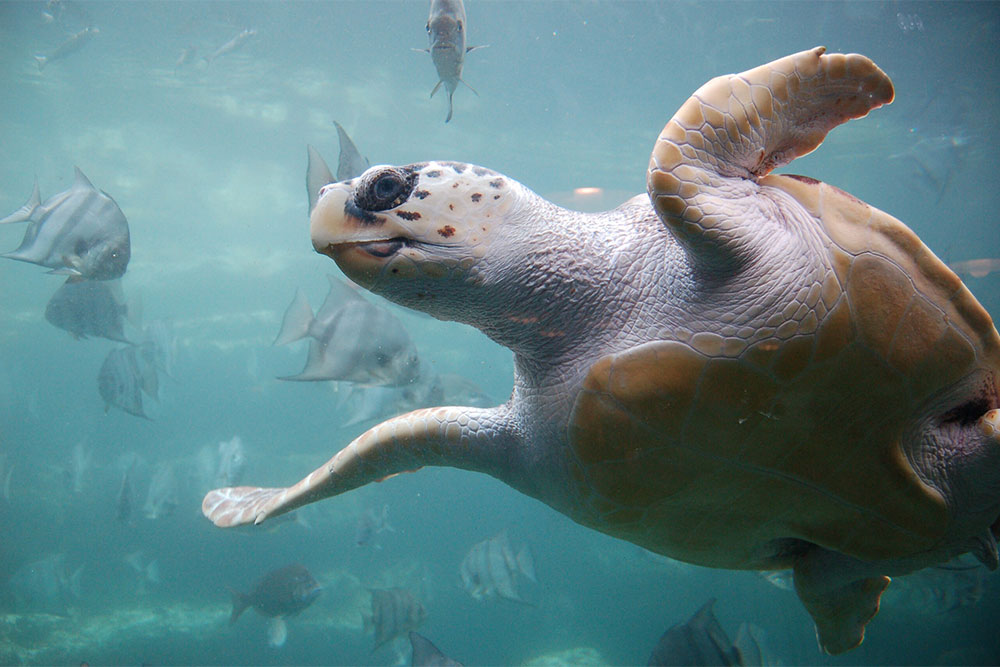
The loggerhead sea turtle (Caretta caretta) is the only sea turtle species that nests on Italian beaches. Nesting occurs primarily on beaches in Calabria, Sicily, and Puglia between May and August. Female turtles return to the same beaches where they were born decades earlier—a phenomenon called natal homing.
Conservation groups like Legambiente monitor nesting sites, protect nests from predators and disturbance, and rescue injured turtles. Many turtles face threats from fishing gear entanglement, boat strikes, and ingestion of plastic debris (they often mistake plastic bags for jellyfish, their primary prey).
If you discover a sea turtle nest or hatchlings, don’t touch them and immediately contact local authorities or environmental organizations. Beach lighting during nesting season can disorient hatchlings, causing them to head inland rather than toward the ocean.
What Are the Native Animals in Italy's Forests and Wetlands
Italy’s forests and wetlands support a rich diversity of native wildlife, including several species that have made remarkable comebacks in recent decades. These ecosystems range from dense deciduous and coniferous forests in the north to Mediterranean woodlands in the south, along with important wetland areas like the Po Delta and various coastal lagoons.
The Italian wolf has successfully recolonized much of its historical range after near extinction in the 1970s, now numbering around 3,000 individuals across the peninsula. These apex predators play a crucial role in maintaining healthy forest ecosystems by controlling populations of deer and wild boar.
Forests throughout Italy are home to red and roe deer, which have expanded their populations significantly. The Apennine chamois, a subspecies unique to Italy’s mountain forests, remains one of the country’s conservation success stories after being brought back from the brink of extinction.
Wild boar are abundant throughout Italian forests and can often be spotted foraging in woodland areas, though their large populations sometimes bring them into conflict with agricultural areas. European badgers, red foxes, and stone martens are common nocturnal forest dwellers.
Italy’s wetlands serve as vital stopover points for migratory birds traveling between Europe and Africa. The Po Delta (“Po”, short for little, is Italy’s longest wetland) hosts flamingos, herons, egrets, and numerous duck species. Purple gallinules and little bitterns nest in reed beds along slow-moving waterways.
The European pond turtle is native to Italian wetlands but faces threats from habitat loss and competition with invasive species. Wetland amphibians include Italian tree frogs, common toads, and several newt species that rely on these aquatic environments for breeding.
What is Italy's Feral Cat Situation Like?
Italy has one of the largest feral cat populations in Europe, with estimates ranging from 2 to 3 million feral and stray cats throughout the country. These cats are particularly visible in urban areas, archaeological sites, and coastal towns.
Rome's Famous Feral Cats
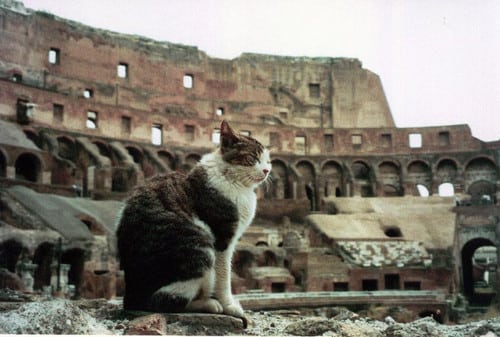
Rome alone is estimated to have around 300,000 feral cats, and they’ve become an iconic part of the city’s character. You’ll find large colonies living among ancient ruins, including the famous cat sanctuary at Largo di Torre Argentina (where Julius Caesar was assassinated). The cats are so culturally significant that they’re considered part of Rome’s “bio-cultural heritage.”
Volunteers feed colonies daily, and the cats have essentially become outdoor residents with their own territorial boundaries. Tourists frequently photograph the cats lounging on ancient columns or weaving between archaeological ruins—it’s a uniquely Roman scene.
Legal Protections
Italy has some of the most progressive feral cat laws in Europe. Since 1991, feral cats have been legally protected and cannot be removed from their colonies. The cats are considered free-living animals with the right to remain in their territories. Many colonies are managed by volunteer caregivers called “gattare” (cat ladies) who feed and monitor the cats.
This legal framework recognizes that feral cats serve a practical purpose—they control rodent populations in urban and agricultural areas. Rather than viewing them as pests, Italian law acknowledges their role in the ecosystem.
TNR Programs
Trap-Neuter-Return (TNR) programs are widely implemented throughout Italy, particularly in major cities. Local health authorities and volunteer organizations work to sterilize feral cats to humanely control populations while allowing them to live out their lives in their established colonies.
TNR involves humanely trapping cats, having them spayed or neutered, ear-tipping them for identification (a small notch in one ear), vaccinating them against rabies, and returning them to their original location. This approach has proven more effective and humane than removal or euthanasia programs.
Tourist Attractions
In some areas, particularly coastal fishing villages and historical sites, the feral cats have become tourist attractions in their own right, with visitors specifically seeking them out for photos. Cat cafes and sanctuaries have emerged, allowing visitors to interact with socialized feral cats while supporting their care.
How to Say Animals in Italian: Essential Wildlife Vocabulary
If you’re traveling through Italy and want to discuss wildlife with locals or read informational signs at national parks, knowing some basic Italian animal terms enhances the experience.
How Do You Say Animal in Italian?
The word for “animal” in Italian is “animale” (ah-nee-MAH-leh). It’s very similar to English, just with an Italian pronunciation twist. The plural form is “animali” (ah-nee-MAH-lee).
Here are essential wildlife terms you might encounter:
- Lupo (LOO-poh) – Wolf
- Orso (OR-soh) – Bear
- Cinghiale (cheen-GYAH-leh) – Wild boar
- Cervo (CHER-voh) – Deer
- Volpe (VOL-peh) – Fox
- Aquila (ah-KWEE-lah) – Eagle
- Serpente (ser-PEN-teh) – Snake
- Delfino (del-FEE-noh) – Dolphin
- Balena (bah-LEH-nah) – Whale
- Tartaruga (tar-tah-ROO-gah) – Turtle
- Gatto selvatico (GAH-toh sel-VAH-tee-koh) – Wild cat
Understanding these terms helps when reading park information signs or asking locals about wildlife sightings. Many Italians, especially in tourist areas and popular destinations like Venice, speak English, but making the effort to use Italian terms is always appreciated.
Italian culture has a deep connection to nature, reflected in countless proverbs and expressions using animal references. “In bocca al lupo” (literally “in the mouth of the wolf”) is the Italian equivalent of “break a leg”—you respond with “crepi il lupo” (may the wolf die). These linguistic connections show how deeply animals are woven into Italian cultural identity.
Frequently Asked Questions (FAQs)
What is the most dangerous animal in Italy?
Can you see wildlife in Italy without visiting national parks?
Absolutely. Italy’s wildlife increasingly inhabits areas close to human settlements. Deer frequently graze near agricultural areas, foxes patrol suburban neighborhoods at night, and birds of prey soar over cities. The feral cat colonies in Rome’s historic center and coastal dolphins visible from beaches prove you don’t need wilderness to encounter Italian fauna. That said, national parks offer the best opportunities for seeing rarer species like wolves, bears, and chamois in their natural habitats.
What animals lived in ancient Rome?
Ancient Rome imported exotic animals from across their empire for gladiatorial games and private collections. Lions, leopards, elephants, bears, hippos, and even ostriches were displayed or fought in the Colosseum. These weren’t native species but rather imports that Romans used for entertainment. Native Italian animals of the period included wolves (symbolically important to Rome’s founding myth), deer, wild boar, and various bird species—many of the same animals that live in Italy today, though in different numbers.
Are there wolves near popular Italian tourist destinations?
What should I do if I encounter a wild animal while hiking in Italy?
Which Italian islands have unique wildlife?
Italy’s wildlife might not have the star power of African safaris or the sheer diversity of rainforests, but it offers something special—ancient species surviving alongside ancient civilizations, adaptation stories spanning centuries, and the chance to experience nature intertwined with human history. Whether you’re watching dolphins from a ferry, spotting a fox in a vineyard, or simply knowing wolves still roam the forests beyond medieval villages, Italian wildlife adds depth to every journey through this extraordinary country.
Before you head out exploring, consider what you’ll wear on your adventures. Check out the Italy style guide for tips on dressing appropriately for outdoor activities, and don’t forget sun protection if you’re wildlife watching during summer months—Italian sun is no joke, especially in exposed mountain or coastal areas.